
FEATURED
Small steps to move forward after loss
The experience of losing a cherished person is profoundly difficult, and charting a course for your life in the aftermath can feel overwhelming. Here are some small steps you can take. Read more

Dan Levy, a writer and actor known for acting in and creating the show Schitt’s Creek, has recently shifted gears from comedy into the grief world with his creation of the movie Good Grief. He recently joined the We Can Do Hard Things podcast to share about his grief experiences and the perspectives that shaped this recent creation.


The experience of losing a cherished person is profoundly difficult, and charting a course for your life in the aftermath can feel overwhelming. Moving onward doesn't mean leaving behind the memory of those you've lost. Here are some small steps to facilitate your journey of healing and help you discover a renewed sense of purpose after loss.

You may have heard the phrase “the body keeps the score” before. When a person is experiencing grief, it can take more than an emotional toll—it can also put the body under stress in the short and long term.

Breathwork is a long-standing practice with ancient roots, and it’s gaining recognition in holistic healing spaces - even in addressing grief.

The emotional toll of cleaning out the home of a recently passed family member or friend can be heavy, yet it is an essential part of moving forward.
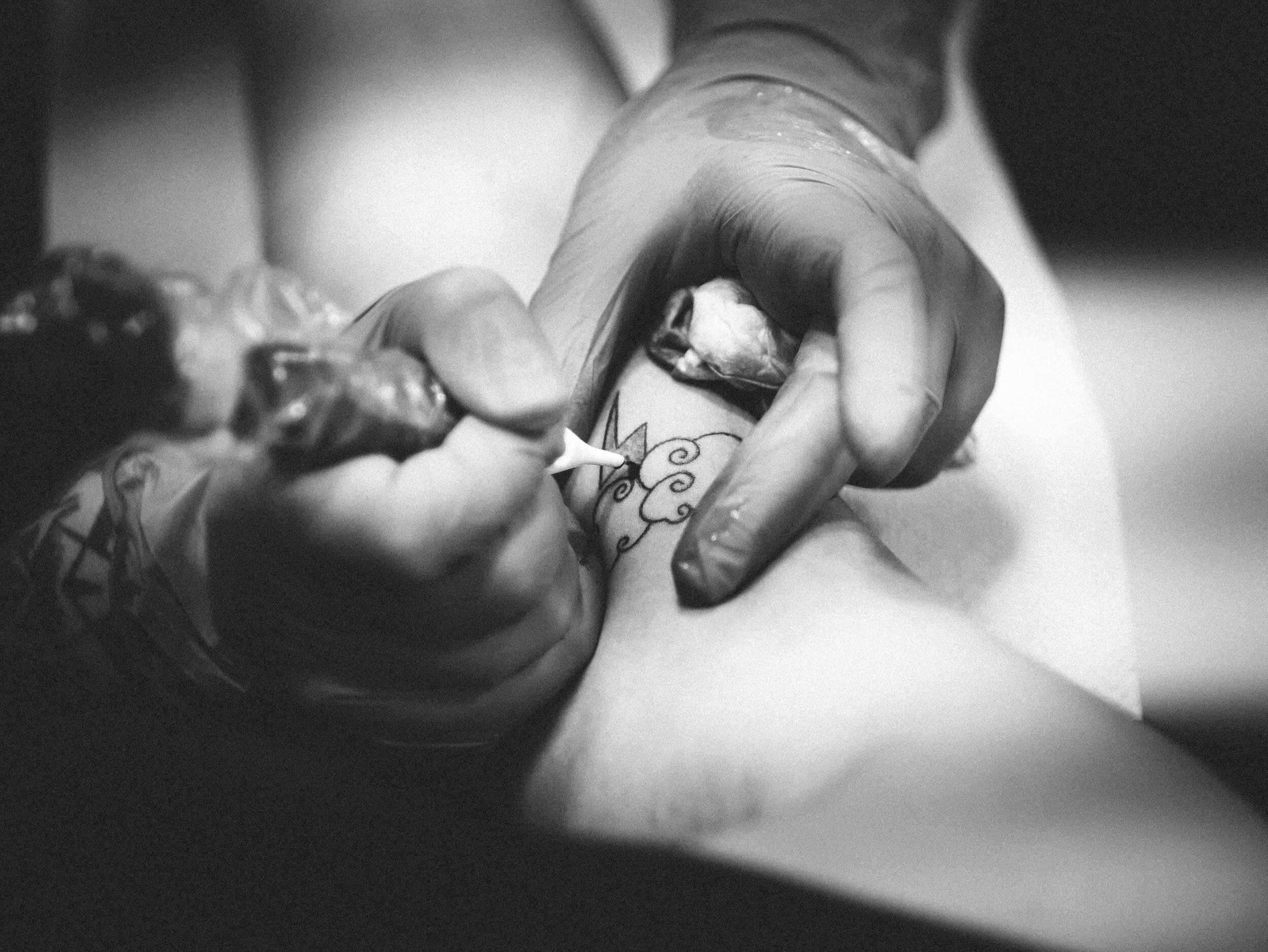
Getting a tattoo can be a beautiful way to pay homage, but it’s also a big commitment, and a few followers reached out wanting to know if there were any tips or bits of advice to share with someone considering getting inked. Here’s what the community had to say.

A collection of Grief Collective follower stories about tattoos they’ve gotten to honor someone they’ve lost.

Karen Kilgariff, a writer and comedian most recently known for co-hosting the podcast My Favorite Murder, lost her mom to Alzheimers in 2016 after a 12-year battle and shares about it in a podcast.



Thanks to advances in technology, therapy is a lot more accessible these days, so if you can’t get to an in-person therapist or if you prefer connecting with one remotely, there are options. We’ve rounded up a few of the top therapy apps and their costs below.

For many people dealing with grief and loss, anxiety becomes a prominent new feeling on rotation with the others. Don’t panic—it’s normal.

You’ve probably heard the advice “take a deep breath” a hundred times. And it’s true—deep breathing is a simple and effective tool to manage stress, anxiety, and depression. But what you may not know is how to actually breathe deeply.

In the book Untamed, author Glennon Doyle talks about her experience with recovery from addiction. She shares a poignant moment, not specifically related to loss, but so relevant to grief.

“Mindfulness not only makes it possible to survey our internal landscape with compassion and curiosity but can also actively steer us in the right direction for self-care.” — Bessel A. Van der Kolk

Talk therapy can be an incredibly helpful experience when navigating grief. A trained professional can listen to your thoughts and feelings, and they can help provide context for your experience as well as advise you on what to do next.
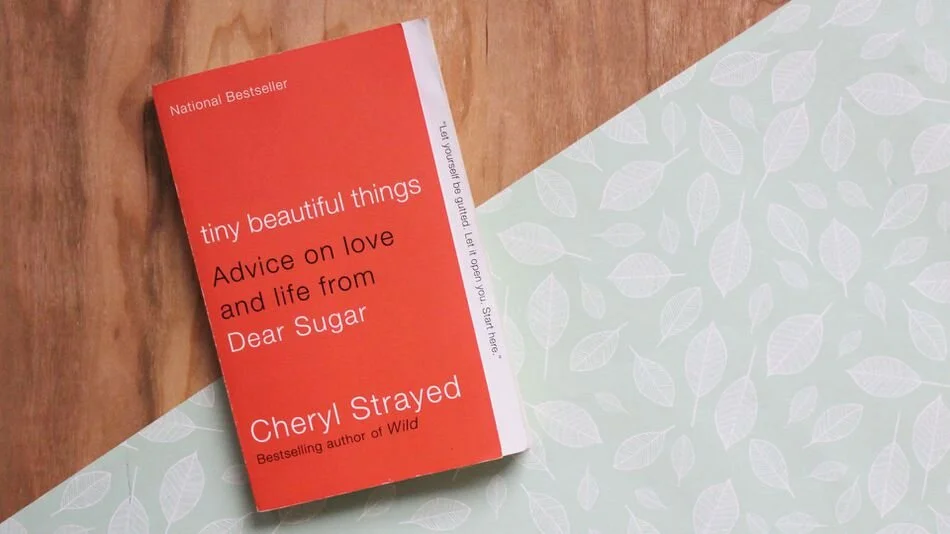

Meditation has plentiful benefits, including stress and anxiety reduction, improved sleep and memory, and even improved blood pressure. It’s also a helpful tool in grief to practice calm and presence. There are lots of resources out there to help with starting a meditation practice, but technology has made it even easier to take those resources on the go.

Taking care of ourselves is important, especially when we’re dealing with loss. We all have things going on in our lives, and often we don’t make our mental health a priority.

From our gray Seattle home, my fiancé and I spent the morning plotting a day full of festive activities for our upcoming Christmas with my family. We exchanged ideas aloud, each one more ridiculous than the next, and I laughed while alternating between quick sips of coffee and jotting down half-serious notes. It had been his idea months back, his response to my misty-eyed recollection of Christmas mornings growing up with my dad, how it was the one time of year he’d come up for air and be present, calm.
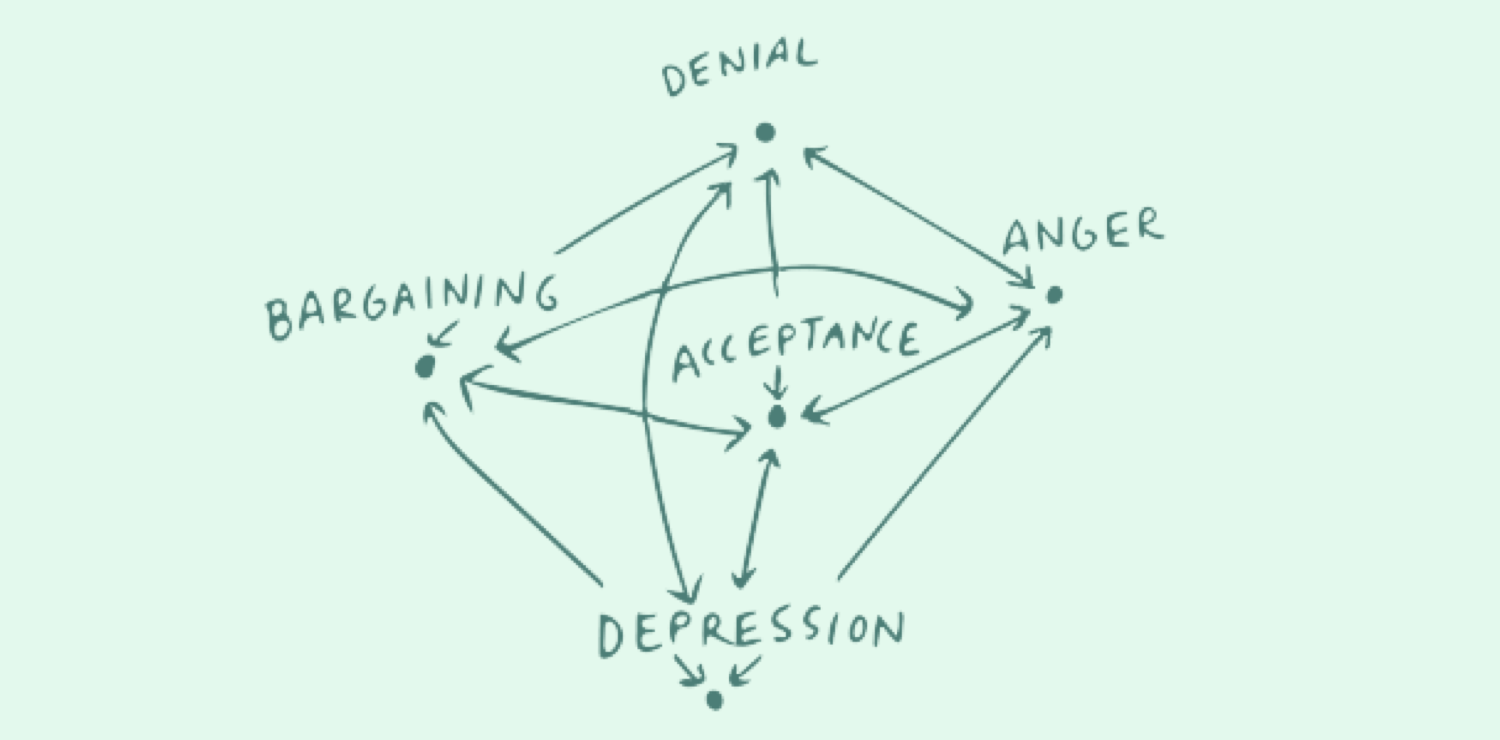
The idea of The Five Stages of Grief was initially created by a Swiss psychiatrist named Elisabeth Kübler-Ross, who worked with people facing terminal illnesses. She introduced the model in her book On Death and Dying in 1969, and it gave words and structure to something that was ambiguous at the time. Soon this became adapted as a way of thinking about grief more generally, and it has since become a commonplace belief.
Poet / writer / activist Andrea Gibson passed away in July 2025 after a 4-year battle with cancer. In honor of Andrea, today we’re sharing their poem Love Letter from the Afterlife.